PRIVATE DESIGN PREVIEW • Sample content · Live services disabled
JT STITZEL.NATURE COAST REAL ESTATE

JT STITZEL / OUR COMMUNITIES

Homosassa

Old Florida, beautifully preserved.

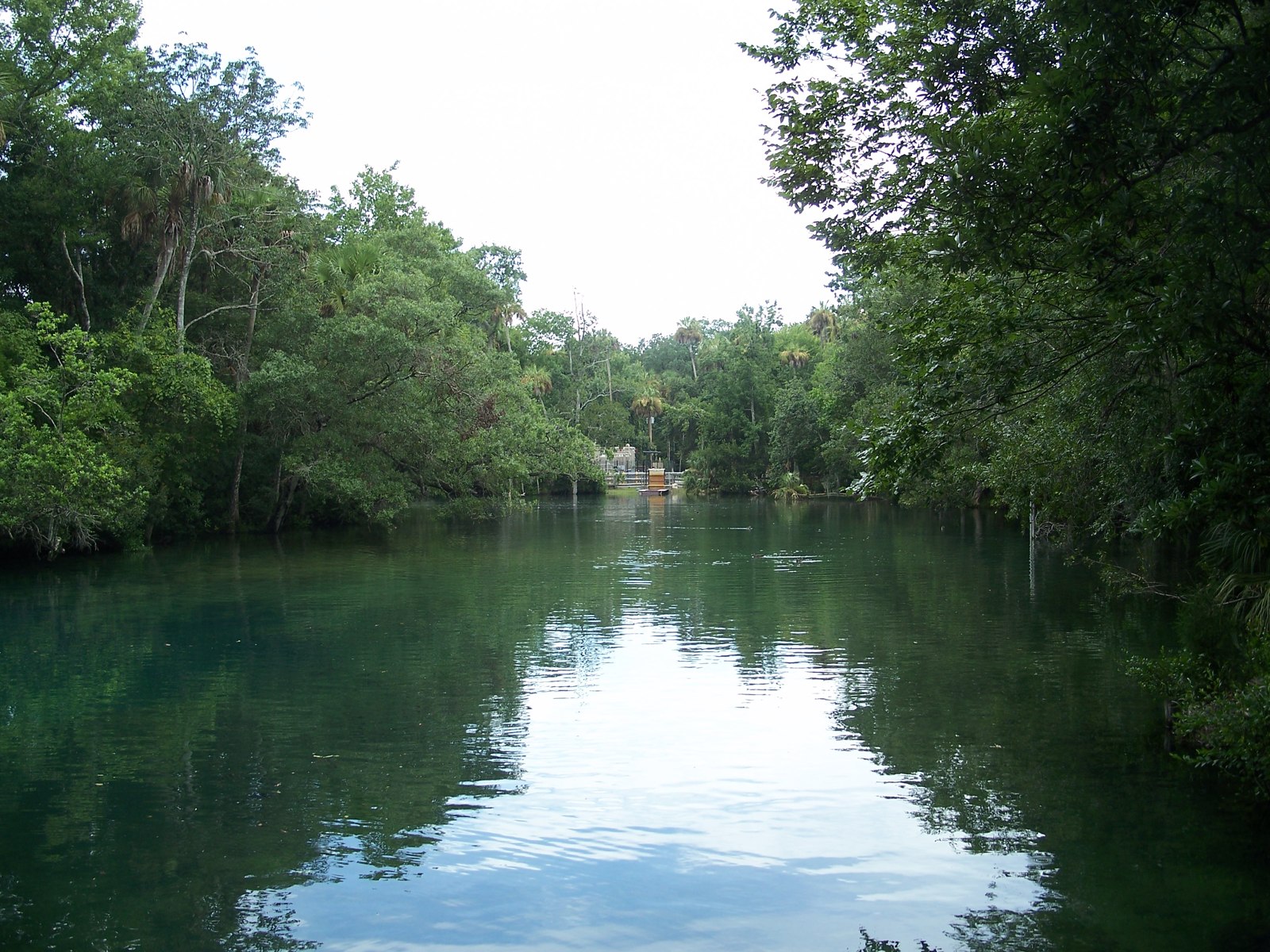
Tree-lined waterway at Homosassa Springs Wildlife State Park, photographed July 18, 2009 by Ebyabe

FIND YOUR SENSE OF PLACE

Life in Homosassa.

A river-centered community known for its natural setting and Old Florida character. Compare river access, lot conditions and everyday conveniences.

For any property, review flood zones, insurance availability, inspections, zoning, utility access and local regulations. Waterfront access and use rights vary by parcel.

Explore property search↗

Park waterway, July 18, 2009. Ebyabe / Wikimedia Commons, CC BY-SA 2.5. Full credits in the park gallery below.

LOCAL LIFE, ONE GATHERING AT A TIME

Homosassa Events

Upcoming gatherings in Homosassa. All times are Eastern.

Calendar preview / demonstration entries

Verified local listings have not yet been added. Demonstration entries are fictional and are never invitations to attend or available for calendar download.

Loading community events…

A NATURE COAST TREASURE / HOMOSASSA SPRINGS

Homosassa Springs:
Then & Now

Generations of memories, one remarkable natural treasure.

For generations, the spring has drawn visitors to its clear water and abundant life. In 1964, the Norris Development Company expanded Homosassa Springs as a tourist attraction, and the Fish Bowl underwater observatory opened that year. Citrus County purchased the attraction in 1984 to protect the site; it officially became a Florida state park on January 1, 1989.

Today, Ellie Schiller Homosassa Springs Wildlife State Park connects that visitor legacy with wildlife care and education. Its work includes providing a home for non-releasable manatees and helping people understand Florida’s wildlife. The photographs below explore two eras of the park’s story—not verified matches of the same viewpoint.

1964 Attraction expansion & Fish Bowl1984 Citrus County protection1989 Florida state park
01 / THEN

The attraction years.

State Archives of Florida · circa 1964

Circa 1964

A view from the tour boat

Homosassa Springs photographed from a tour boat.

Florida Division of Tourism / State Archives of Florida, Florida Memory
Department of Commerce collection · COM02151

View original archive record ↗
Circa 1964

Visitors beside the spring

Visitors walking along a trail beside the spring.

Florida Division of Tourism / State Archives of Florida, Florida Memory
Department of Commerce collection · COM02149

View original archive record ↗
Circa 1964

The historic visitor center

The visitor center during the springs’ tourist-attraction era.

Florida Division of Tourism / State Archives of Florida, Florida Memory
Department of Commerce collection · COM02178

View original archive record ↗
Circa 1964

The entrance building

An entrance building at the Homosassa Springs attraction.

Florida Division of Tourism / State Archives of Florida, Florida Memory
Department of Commerce collection · COM02175

View original archive record ↗
02 / NOW — MODERN ERA

A wildlife state park.

Dated park photographs · July 18, 2009

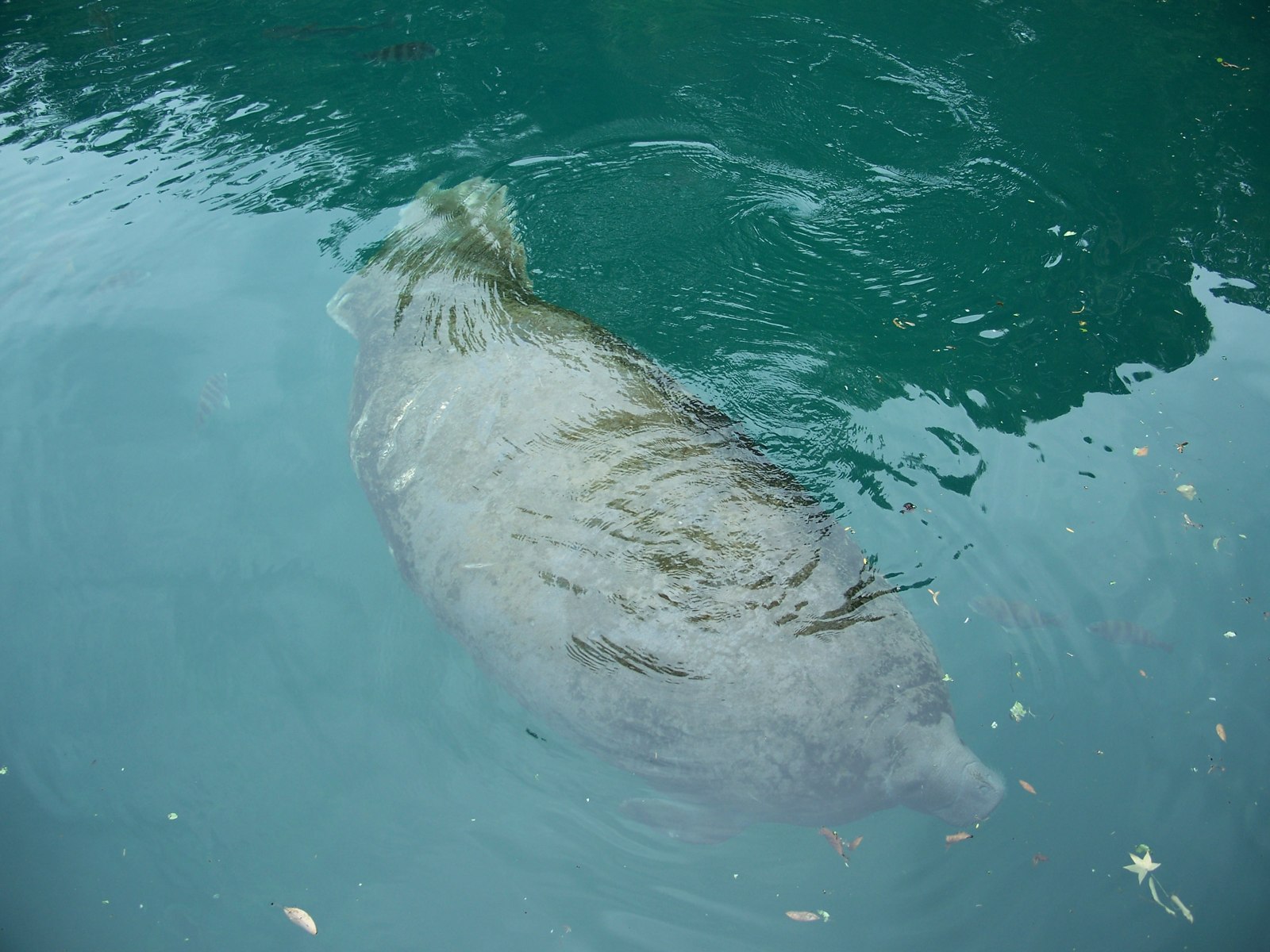
A manatee seen from above in the water at Homosassa Springs Wildlife State ParkView larger ↗
July 18, 2009

A manatee in the springs

Ebyabe / Wikimedia Commons
Photo record ↗ · CC BY-SA 2.5
Resized; complete image shown.

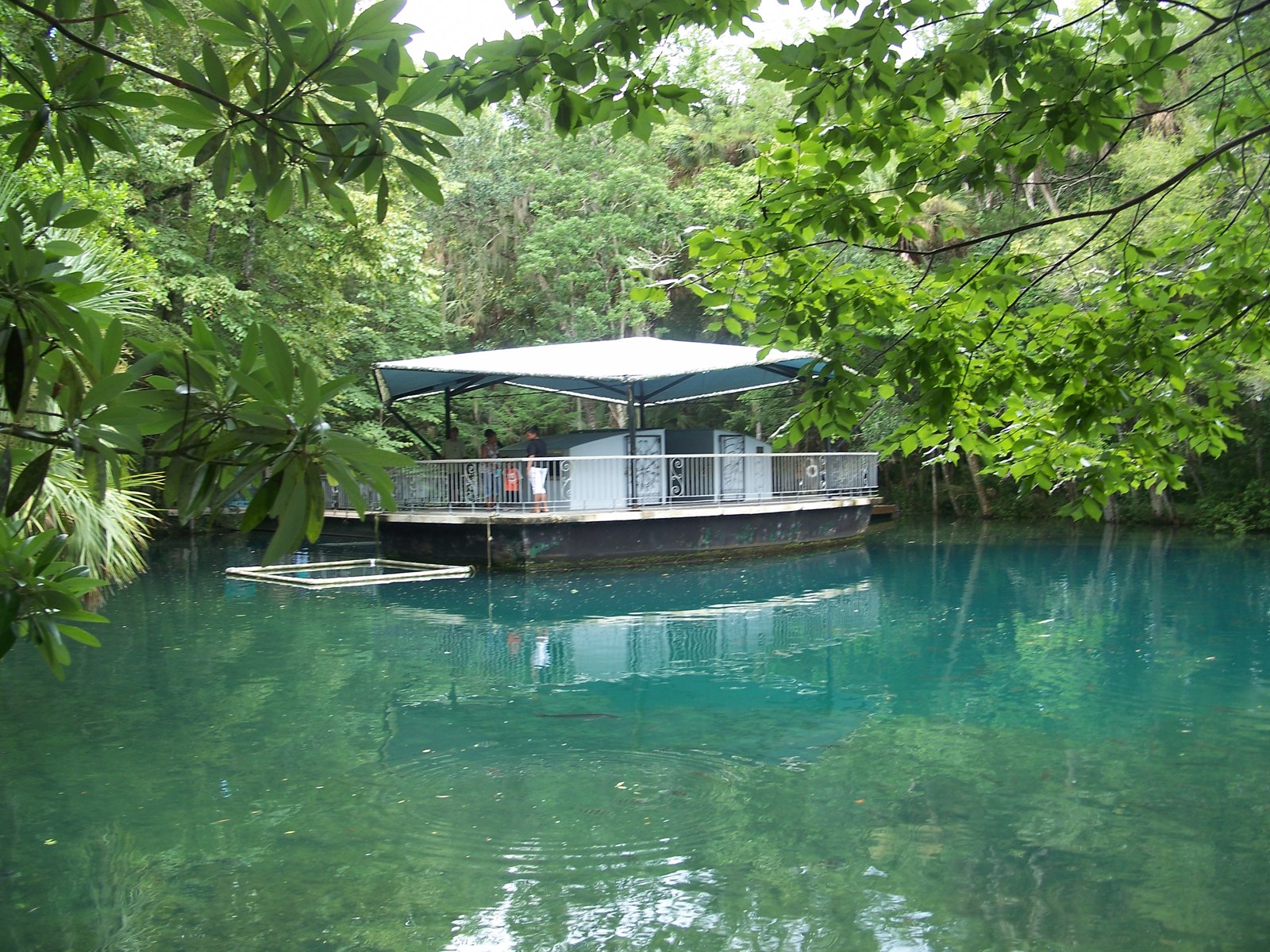
Exterior of the Fish Bowl observatory surrounded by spring water and treesView larger ↗
July 18, 2009

The underwater Fish Bowl observatory

The observatory is shown from outside, above the water.

Ebyabe / Wikimedia Commons
Photo record ↗ · CC BY-SA 2.5
Resized; complete image shown.

Tree-lined waterway within Homosassa Springs Wildlife State ParkView larger ↗
July 18, 2009

Water, trees and a quieter pace

Ebyabe / Wikimedia Commons
Photo record ↗ · CC BY-SA 2.5
Resized; complete image shown.

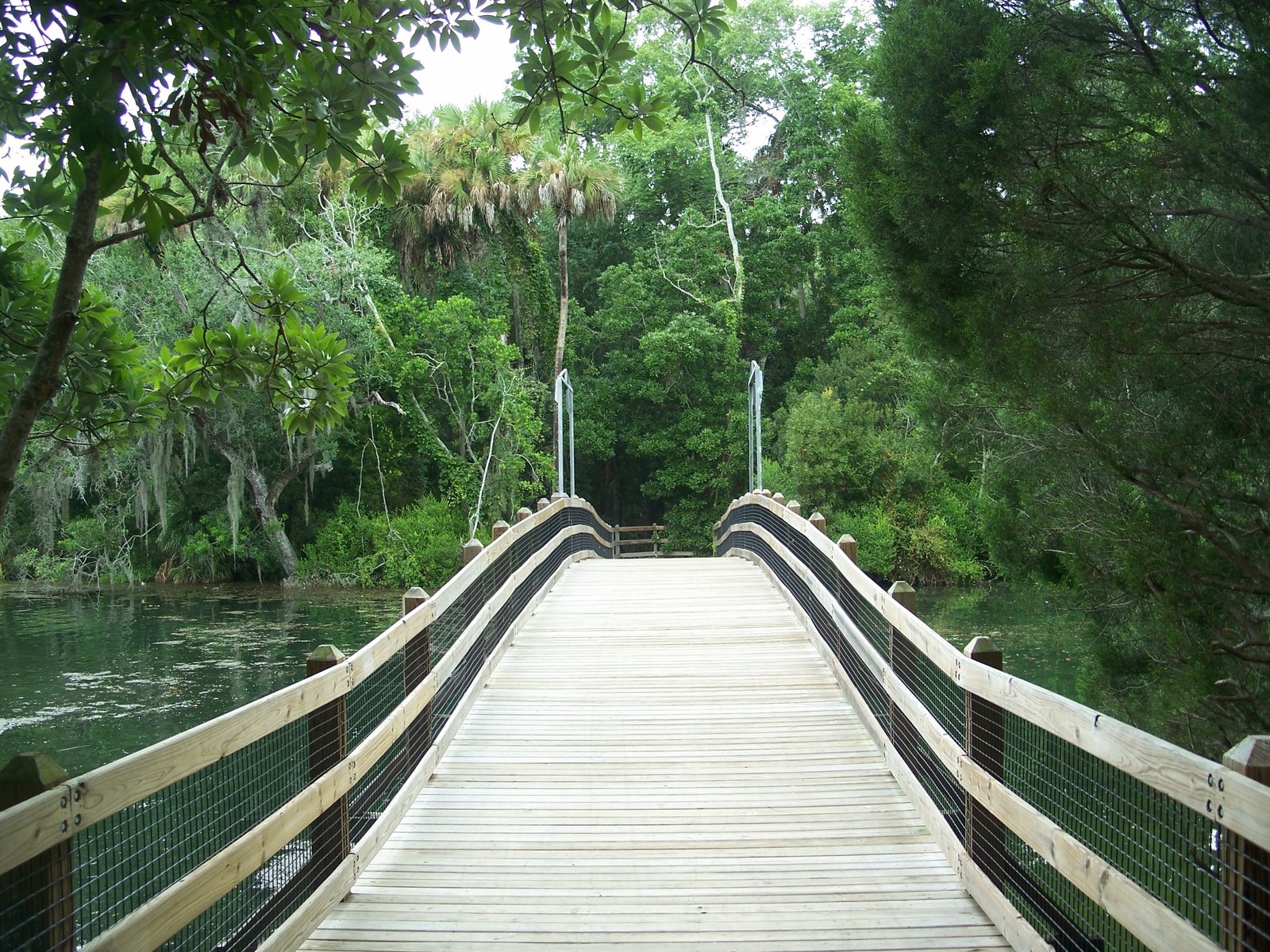
A wooden pedestrian bridge over the water at Homosassa Springs Wildlife State ParkView larger ↗
July 18, 2009

A scenic bridge through the park

Ebyabe / Wikimedia Commons
Photo record ↗ · CC BY-SA 2.5
Resized; complete image shown.

WILDLIFE & AN UNDERWATER WORLD

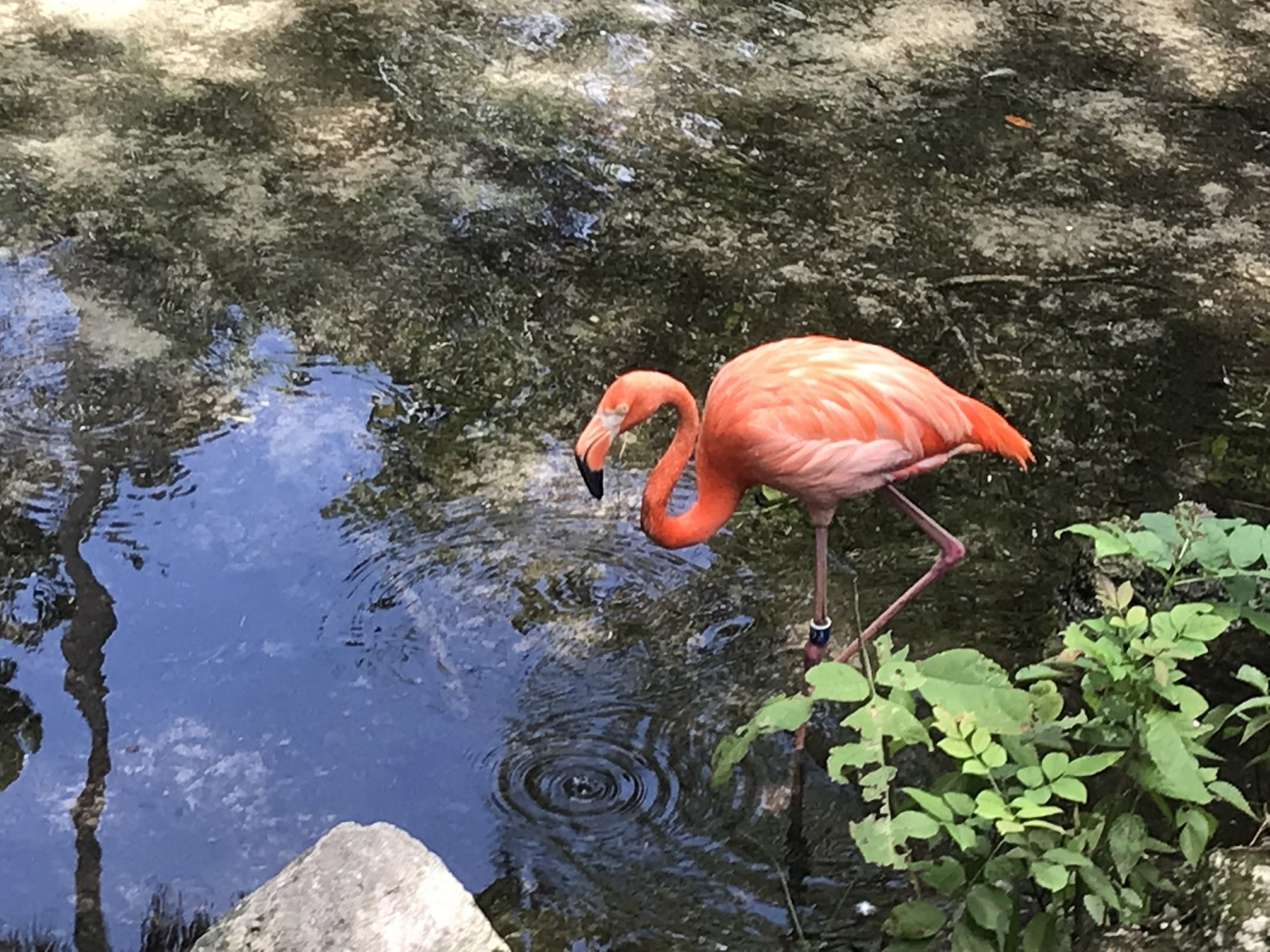
A pink flamingo photographed at Homosassa Springs Wildlife State ParkView larger ↗
August 8, 2021

Wildlife at the park: a pink flamingo

The Eloquent Peasant / Wikimedia Commons
Photo record ↗ · CC0 1.0
Resized; complete image shown.

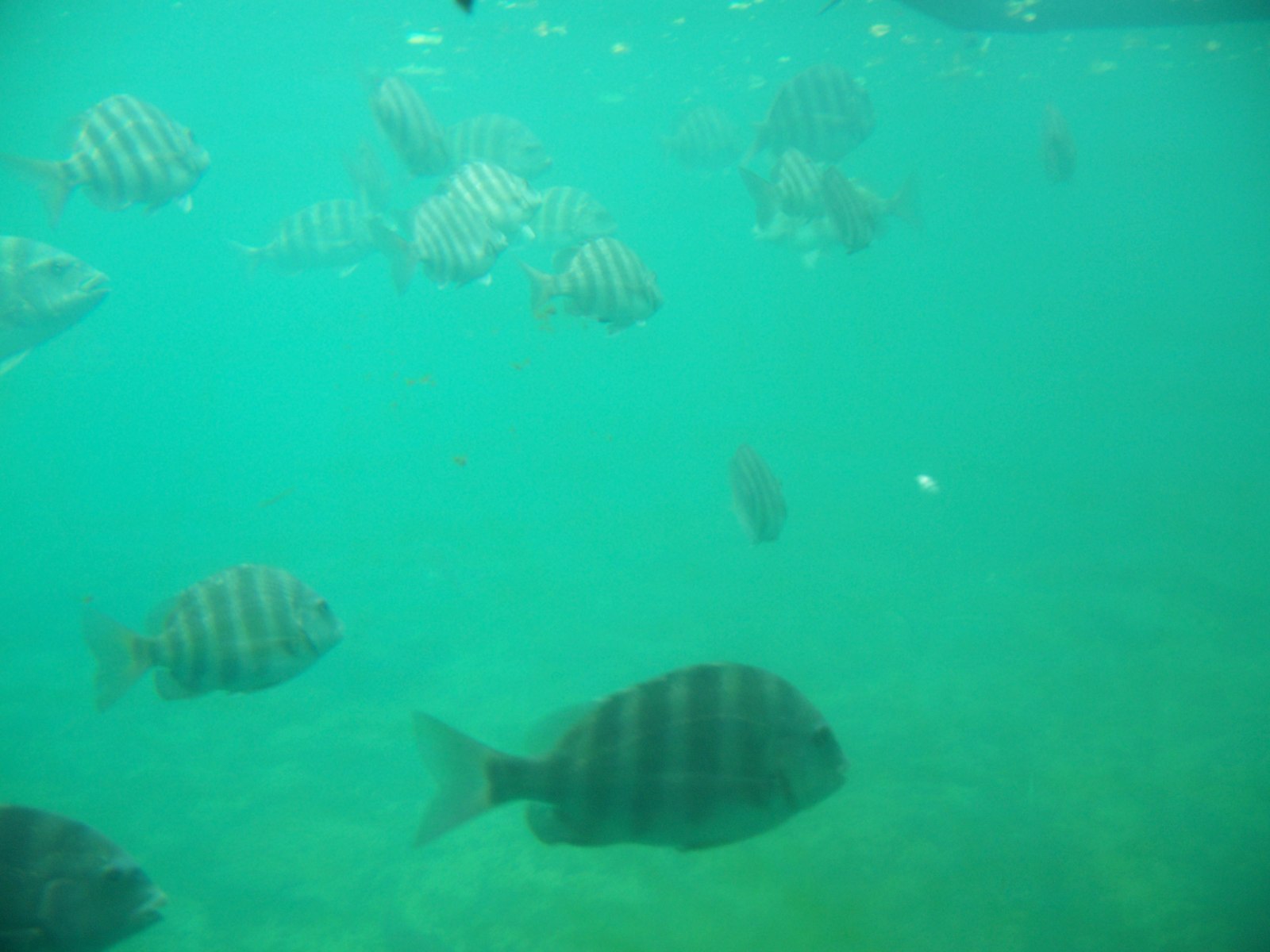
Fish viewed underwater through the Fish Bowl observatory windowsView larger ↗
July 18, 2009

A window into the spring

An underwater view through the observatory windows.

Ebyabe / Wikimedia Commons
Photo record ↗ · CC BY-SA 2.5
Resized; complete image shown.

Sources, photograph dates & reuse notes

Historical subjects, approximate dates, creator and collection identifiers were cross-checked against the indexed State Archives records. The item-specific commercial reuse terms could not be confirmed, so no archival image files are embedded. These are reserved image spaces, not reconstructed or AI-generated photographs.

The Ebyabe photographs are licensed for commercial reuse under CC BY-SA 2.5. Their resized versions remain under that license. The 2021 flamingo photograph by The Eloquent Peasant is CC0 1.0. Each displayed image links to its source and reuse terms. No recoloring, AI restoration or invented imagery has been used. Credits do not imply endorsement.

The gallery compares the park across eras. A tour boat, trail, visitor center or entrance in one photograph is not claimed to occupy the exact viewpoint shown in the adjacent modern photograph. Modern views dated 2009 and 2021 do not document current access, exhibits or conditions.

LOCAL STORIES / HOMOSASSA

Our Roots Run Deep.

Old Florida, with a story to tell.

In Homosassa, the river has always been more than a view. It carried goods, supported livelihoods and helped shape the community that grew around it.

From the working waterfront of Old Homosassa to the springs’ visitor traditions, there are many chapters to discover. Some invite fond memories; others ask us to remember the people whose stories deserve equal care.

Revisit Homosassa Springs: Then & Now ↑
Discover Our History

EARLY SETTLEMENT

Life followed the river.

Indigenous people lived in this coastal landscape long before the nineteenth-century settlement. In the 1840s, settlers including merchant and cedar shipper William Cooley helped establish the community that became Homosassa.

The river linked people and goods to Gulf ports. In the 1880s, the Homosassa Company imagined a resort community, with railroad access and a new town plan welcoming visitors.

THE PLANTATION YEARS

Remembering everyone behind the story.

The stonework at Yulee Sugar Mill is a lasting part of the local landscape. It was once part of David Levy Yulee’s Margarita Plantation, where enslaved people were forced to sustain the plantation and mill. Their labor produced sugarcane products shipped through the river economy.

Today, the state park preserves the mill’s surviving machinery and stonework. Understanding this place means remembering the people who labored here, as well as the industry they made possible.

OLD HOMOSASSA

A waterfront woven into daily life.

Cedar mills, commercial fishing and sport fishing supported generations of Homosassa residents. Railroad service expanded trade and tourism in the late 1880s, and hotels and resorts welcomed people drawn to the river.

Old Homosassa’s working waterfront and the springs’ visitor attraction have different settings and histories. Together, they offer a fuller picture of a community whose story keeps returning to the water.

Explore homes in Homosassa ↗

Let’s explore Homosassa together.

Tell JT what matters most: your budget, space, commute or access to the water.

Start a conversation↗